.png)

What Is Debt Consolidation and How Does It Work?
Managing debt can quietly become stressful over time. It often begins with a few manageable payments, but as balances grow and interest adds up, it becomes harder to stay on top of everything. Many people find themselves juggling multiple due dates, different lenders, and rising monthly obligations.
Even with a steady income, this situation can feel overwhelming. When debt starts affecting your peace of mind or financial stability, it is worth exploring solutions that can simplify things. Debt consolidation is one of the most practical ways to bring structure back into your finances.
What Is Debt Consolidation?
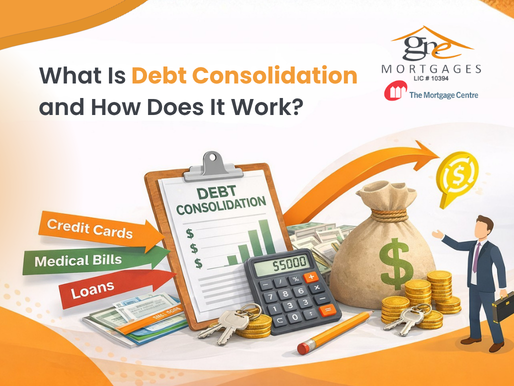
Debt consolidation is the process of combining multiple debts into a single payment. Instead of managing several accounts, you bring everything together under one loan or repayment plan.
For example, you may have:
Credit card balances with high interest rates
A personal loan with fixed payments
A line of credit with variable rates
Debt consolidation allows you to merge these into one monthly payment, often with a more manageable interest rate. This approach is not about eliminating debt overnight. It is about making repayment simpler and more structured, so you can move forward with confidence.
Why Debt Becomes Difficult to Manage
Debt does not usually become overwhelming all at once. It builds gradually. A few missed payments, rising interest rates, or unexpected expenses can make it harder to stay in control.
Many Canadians experience challenges such as:
Keeping track of multiple payment dates
Paying high interest on credit cards
Watching balances decrease very slowly
Feeling unsure about the total amount owed
When debt reaches this point, it starts affecting everyday decisions. This is often when people begin looking for a more manageable solution.
How Debt Consolidation Works
Debt consolidation works by replacing multiple debts with one structured payment.
The process usually begins with a clear understanding of your financial situation. You review all outstanding debts, including balances and interest rates.
Once this is done, a suitable consolidation option is selected. After approval, the new loan or program is used to pay off your existing debts.
From that point on, you are left with a single monthly payment. This shift can make a noticeable difference. Instead of managing several accounts, your focus is on one clear repayment plan.
Types of Debt Consolidation Options in Canada
There are several ways to consolidate debt, and each option suits different financial situations.
Debt Consolidation Loan
A consolidation loan combines your debts into one loan with a fixed payment schedule. This is often a good option for individuals with a stable income and a reasonable credit score. It simplifies repayment and may reduce your interest rate, especially if your existing debts are high-interest credit cards.
Mortgage Refinancing
Homeowners often choose to consolidate debt by refinancing their mortgage. This involves replacing your current mortgage with a new one that includes your existing debts.
Since mortgage rates are generally lower than other forms of credit, this option can significantly reduce the interest you pay over time.
Home Equity Line of Credit (HELOC)
A HELOC allows you to borrow against the equity in your home. The funds can be used to pay off higher-interest debts.
This option offers flexibility, but interest rates may vary. It is important to understand the risks, as your home is used as collateral.
Debt Consolidation Programs
For those who may not qualify for a loan, a structured repayment program can be another option. In this case, a credit counsellor works with creditors to reduce interest and combine payments.
This approach can make repayment more manageable without requiring a strong credit score.
Debt Consolidation vs Bankruptcy
Debt consolidation and bankruptcy serve very different purposes. Debt consolidation focuses on reorganizing your existing debt into a more manageable structure. You continue to repay what you owe, but under better terms.
Bankruptcy is a legal process that may eliminate some debts but comes with long-term consequences for your credit. It is usually considered when other options are no longer viable.
For many individuals, debt consolidation offers a less disruptive path forward.
Debt Consolidation vs Consumer Proposal
A consumer proposal is another alternative for managing debt. It involves negotiating with creditors to repay a portion of what you owe.
Debt consolidation does not reduce the total amount of debt. Instead, it simplifies repayment and may lower interest costs.
A consumer proposal can reduce your debt, but it also impacts your credit and requires legal involvement. The right option depends on your financial situation and long-term goals.
How Debt Consolidation Affects Your Credit
It is natural to wonder how debt consolidation will impact your credit score.
There may be a small, temporary decrease when you apply for a new loan. This is due to a credit check and the addition of a new account.
Over time, however, many people see improvements. Making consistent payments and reducing outstanding balances can strengthen your credit profile.
The key is maintaining discipline and avoiding new debt after consolidation.
When Should You Consider Debt Consolidation?
Debt consolidation becomes worth considering when your current situation feels difficult to manage.
Some common signs include:
Multiple high-interest debts
Difficulty keeping up with payments
Financial stress affects daily life
Little progress in reducing balances
Taking action early can prevent debt from becoming more serious. A structured plan can help you regain control and move forward with clarity.
Choosing the Right Approach
Not every debt consolidation option will suit every situation. The best choice depends on your income, credit score, and long-term financial goals.
If you have strong credit, a consolidation loan or mortgage refinancing may offer the most benefits. If your credit is limited, a structured repayment program may be a better fit.
It is also important to look beyond monthly payments. A lower payment may seem helpful, but a longer repayment period can increase the total interest paid.
Careful planning ensures that your solution supports both your immediate needs and your future financial stability.
How GNE Mortgages Can Support You
At GNE Mortgages, the focus is on helping clients find practical and realistic financial solutions. Every situation is different, and a personalized approach makes a significant difference.
As trusted mortgage brokers in Mississauga, the team works with a wide range of lenders to find options that suit your needs. This includes mortgage refinancing and other debt consolidation strategies.
Clients benefit from:
Clear and honest guidance
Access to competitive lending options
Solutions tailored to their financial goals
Support throughout the entire process
The goal is not just to simplify debt, but to help build a stronger financial future.
Final Thoughts
Debt consolidation is a practical way to bring structure back into your finances. It simplifies repayment, reduces stress, and helps you focus on one clear goal.
It does not eliminate debt, but it makes it easier to manage and repay over time.
With the right strategy and professional support, it becomes possible to move forward with confidence and regain control of your financial life.
Take the Next Step
If managing multiple debts has become overwhelming, exploring your options can be the first step toward relief.
Book a consultation with us today and know how a personalized debt consolidation solution can help you simplify your finances and plan for a more secure future
Frequently Asked Questions
What is debt consolidation in Canada?
Debt consolidation is the process of combining multiple debts into one single loan or payment. Instead of managing several payments with different interest rates, you make one monthly payment, often at a lower rate, which makes your finances easier to manage.
How does debt consolidation affect my credit score?
Debt consolidation can have both short-term and long-term effects on your credit score. Initially, your score may dip slightly due to a credit check. However, making consistent payments on your consolidated loan can improve your score over time.
Is debt consolidation a good idea for managing credit card debt?
Yes, debt consolidation is often helpful for managing high-interest credit card debt. By consolidating, you may reduce your interest rate and simplify payments, making it easier to pay off your balance faster.
What types of debt can be consolidated?
You can typically consolidate unsecured debts such as credit cards, personal loans, and lines of credit. In some cases, secured options like mortgage refinancing can also be used to consolidate debt.
Can I use my mortgage to consolidate debt in Canada?
Yes, homeowners can use mortgage refinancing or a home equity loan to consolidate debt. This option often comes with lower interest rates, but it’s important to understand the risks involved since your home is used as collateral.
How do I know if debt consolidation is right for me?
Debt consolidation may be a good option if you have multiple high-interest debts, are struggling to manage payments, and qualify for a lower interest rate. Speaking with a professional can help you decide based on your financial situation.
What are the risks of debt consolidation?
While debt consolidation can simplify your finances, it may extend your repayment period or increase total interest paid if not managed carefully. It’s also important to avoid taking on new debt after consolidating.
How can GNE Mortgages help with debt consolidation?
GNE Mortgages works closely with clients to understand their financial situation and recommend the most suitable debt consolidation options. With access to multiple lenders, our team can help you explore solutions like mortgage refinancing and secure competitive rates.
Why should I choose GNE Mortgages for debt consolidation in Mississauga?
GNE Mortgages has extensive experience in helping clients manage debt through tailored mortgage solutions. Our personalized approach, transparent advice, and strong lender network make us a trusted choice for those seeking reliable financial guidance.
How do I get started with debt consolidation through GNE Mortgages?
You can book a consultation with GNE Mortgages to discuss your financial goals and current debts. Our team will guide you through your options and help you choose a plan that works best for your needs.


Comments